Comida muito boa. O valor Razoável e o atendimento razoado também. Vale a pena conhecer é aconchegante e tem clima agradável.
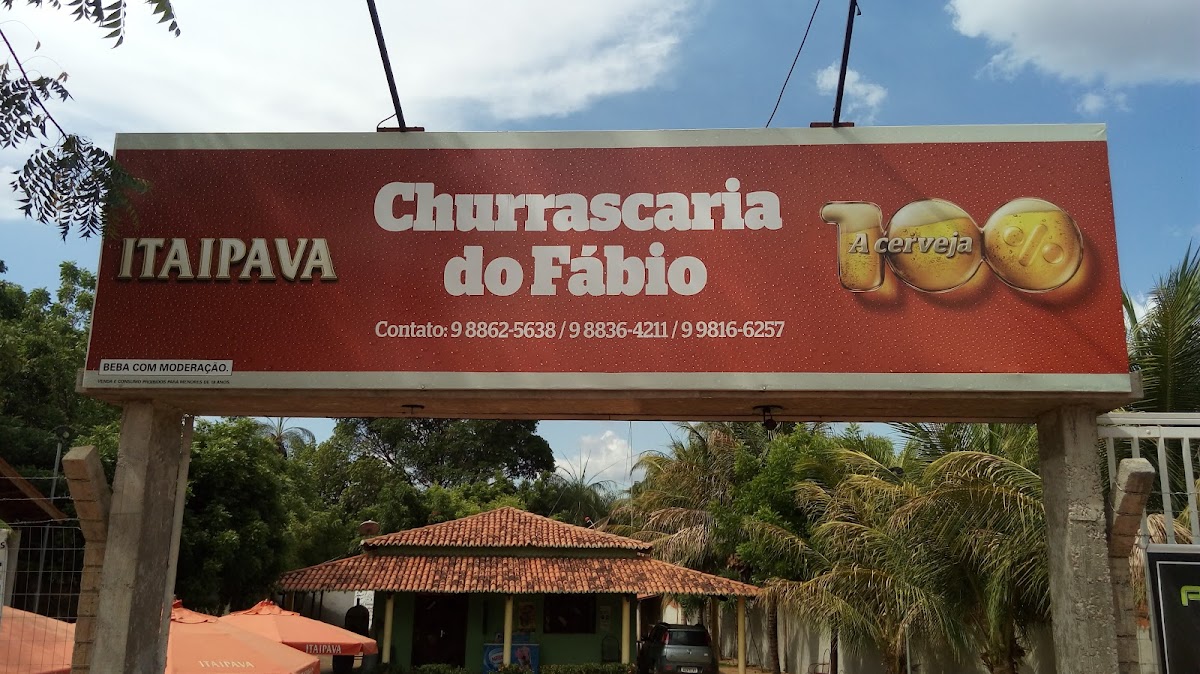
Overview
If you ever find yourself near santa rosa - Santa Rosa, Crato - CE, 63135-105, Brazil, and you’re craving real Brazilian barbecue, Churrascaria Do Fábio is the kind of place that instantly makes you feel at home. I stopped by on a late Sunday afternoon, expecting a simple grilled meat spot. What I got instead was a full-on churrasco experience that easily rivals some of the better-known steakhouses I’ve visited across Ceará.
The first thing you notice is the smell-smoke from charcoal grills drifting through the air, mixed with the unmistakable aroma of seasoned picanha and linguiça sizzling over open flames. In Brazil, churrascaria culture is serious business. According to data from the Brazilian Barbecue Association, traditional rodízio-style service remains one of the most popular dining formats in the country, especially in the Northeast. While this isn’t a flashy urban steakhouse, the techniques used here follow that same authentic grilling method: coarse salt, high heat, and patience.
When I looked at the menu, it was straightforward but thoughtfully curated. You’ll find classic cuts like picanha, alcatra, and fraldinha, alongside grilled chicken hearts and pork ribs. What stood out was how the meat was prepared. Instead of over-marinating or masking flavors with heavy sauces, the kitchen keeps it simple. The grill master seasons the meat generously with rock salt, then rotates the skewers slowly over charcoal. This method seals in juices while forming that slightly crisp outer layer Brazilians love. It’s a process endorsed by culinary experts like Alex Atala, who often emphasizes that high-quality ingredients and controlled fire are the backbone of authentic Brazilian cuisine.
I ordered the picanha plate with rice, farofa, vinaigrette salsa, and feijão. The beef arrived sliced thick, glistening, and perfectly medium. You could see the pink center and the golden fat cap rendered just enough to add richness without being greasy. Every bite was tender, and the flavor was clean-smoky but not burnt. The farofa added texture, while the vinaigrette cut through the richness with acidity. It’s a balance nutritionists often talk about: pairing protein-heavy dishes with fiber and fresh vegetables improves not just taste but digestion as well.
Beyond the food, the service deserves attention. In many local diners, you might expect casual hospitality, but here the staff genuinely care. During my visit, the waiter explained which cuts were freshest that day and even suggested pairing the pork ribs with a cold guaraná. That small detail made a difference. Real reviews from locals often mention the same thing: friendly staff and consistent quality. And consistency is key in the restaurant industry. According to Sebrae, Brazil’s small business development service, restaurants that maintain standardized preparation processes see significantly higher customer retention rates. From what I observed, Churrascaria Do Fábio follows that principle well.
The location itself is simple and unpretentious, with plastic chairs, sturdy wooden tables, and an open grill area that lets you see the cooking in action. Transparency builds trust. You’re not guessing what’s happening in the kitchen; you can literally watch your meal being prepared. That kind of openness is increasingly valued in food safety discussions, especially after global conversations around hygiene and traceability in restaurants.
One thing worth noting is that peak hours-especially weekends-can get busy. While the wait isn’t usually long, arriving a bit earlier ensures you get the freshest cuts straight off the grill. I’ve been to larger churrascarias in Fortaleza that charge double the price, yet the flavor and authenticity here felt more genuine. Sometimes, smaller regional spots preserve culinary traditions better than commercial chains.
If you’re exploring Crato and searching for hearty Brazilian barbecue, this spot delivers solid portions, honest pricing, and flavors rooted in tradition. From expertly grilled beef to classic side dishes, it captures what a true neighborhood churrascaria should be: simple, flavorful, and built around fire, meat, and community.
Good to know
Service options
✓ Outdoor seating ✓ Delivery ✓ Takeaway ✓ Dine-inHighlights
✓ Great beer selection ✓ Great cocktails ✓ Great coffee ✓ Live musicPopular for
✓ Lunch ✓ Dinner ✓ Solo diningAccessibility
✓ Wheelchair-accessible car park ✓ Wheelchair-accessible entrance ✓ Wheelchair-accessible seating ✓ Wheelchair-accessible toiletOfferings
✓ Alcohol ✓ Beer ✓ Cocktails ✓ Coffee ✓ Late-night food ✓ Small plates ✓ Spirits ✓ WineDining options
✓ Lunch ✓ Dinner ✓ Dessert ✓ Seating ✓ Table serviceAmenities
✓ Bar on site ✓ Toilet ✓ Wi-Fi ✓ Wi-FiAtmosphere
✓ Casual ✓ Cosy ✓ Quiet ✓ TrendyCrowd
✓ Family friendly ✓ Groups ✓ LGBTQ+ friendly ✓ Tourists ✓ Transgender safe space ✓ University studentsPlanning
✓ Lunch reservations recommended ✓ Accepts reservationsPayments
✓ Credit cards ✓ Debit cards ✓ NFC mobile paymentsChildren
✓ Good for kids ✓ Has changing table(s)Parking
✓ Free of charge street parking ✓ Free parking lot ✓ ParkingPhotos
1 / 4
Location
Reviews
- No ratings yet 291 reviews
Ainda não fui mas pelo que vi em vídeo, é muito bom!